
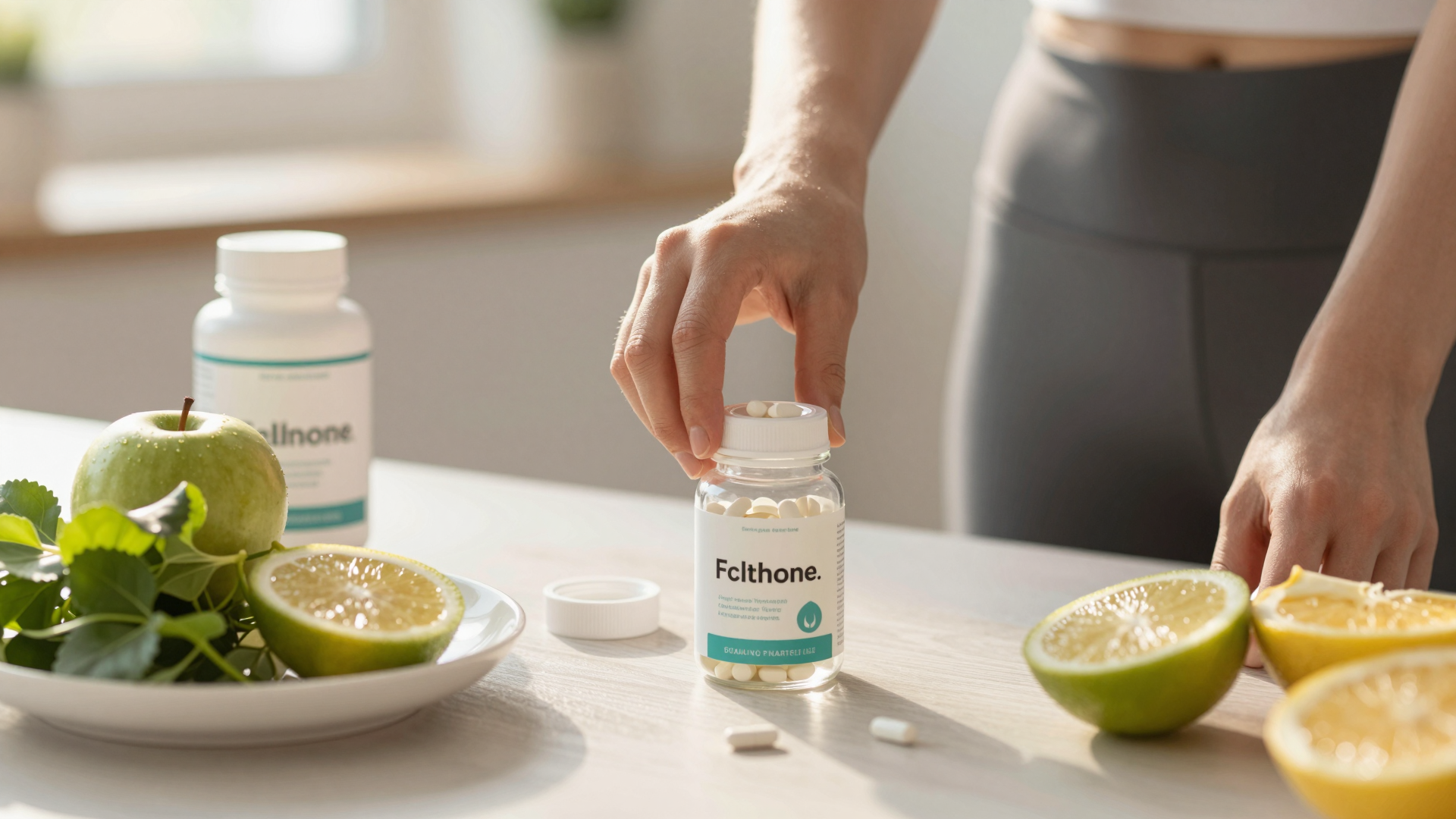
Intrusive thoughts, compulsive urges, and repetitive “mental loops” can feel like your brain is stuck on repeat. In obsessive-compulsive disorder (OCD) and high-rumination patterns, emerging evidence suggests that N-acetylcysteine (NAC)—a supplement that influences glutamate signaling and oxidative stress—may reduce symptom severity for some people when used thoughtfully alongside evidence-based care (Pittenger et al., 2011; Sarris et al., 2022). This guide breaks down the clinical evidence, practical dosage guidelines used in trials, and key risks—so you can make safer, more informed decisions.
Contents
- 1 Contents
- 1.1 How NAC may work for OCD and rumination (brain mechanisms)
- 1.2 Clinical evidence: What studies show (and what they don’t)
- 1.3 Dosage guidelines used in research (practical framework)
- 1.4 Risks, side effects, interactions, and who should avoid NAC
- 1.5 How to use NAC alongside CBT/ERP and other tools
- 1.6 Conclusion
- 1.7 References
Contents
- How NAC may work for OCD and rumination (brain mechanisms)
- Clinical evidence: What studies show (and what they don’t)
- Dosage guidelines used in research (practical framework)
- Risks, side effects, interactions, and who should avoid NAC
- How to use NAC alongside CBT/ERP and other tools
- Conclusion
- References
How NAC may work for OCD and rumination (brain mechanisms)
NAC is a precursor to cysteine, which supports glutathione production—one of the brain’s major antioxidant systems (Berk et al., 2013). Oxidative stress and altered redox balance have been implicated in several psychiatric conditions, including OCD-related circuitry dysfunction (Berk et al., 2013; Pittenger et al., 2011). By increasing cysteine availability, NAC may indirectly influence oxidative stress pathways relevant to cognitive and emotional regulation (Berk et al., 2013).
Beyond antioxidant effects, NAC may modulate glutamatergic neurotransmission through the cystine–glutamate antiporter (system xc−), which can affect extracellular glutamate tone and downstream signaling in cortico-striatal circuits implicated in OCD (Pittenger et al., 2011; Deepmala et al., 2015). Glutamate dysregulation is a leading neurobiological model in OCD, and glutamate-modulating agents (including NAC) have been explored as adjuncts to standard treatments (Pittenger et al., 2011).
Rumination—repetitive negative thinking—overlaps with OCD in repetitive cognition and rigidity, and it is associated with depression and anxiety symptom severity (Nolen-Hoeksema et al., 2008). While NAC trials usually target diagnosed disorders rather than “rumination” as a standalone symptom, NAC’s impact on compulsive/repetitive behaviors in related conditions (e.g., trichotillomania, skin-picking) provides a rationale for studying it in repetitive thought/behavior loops (Grant et al., 2009; Grant et al., 2016).
Clinical evidence: What studies show (and what they don’t)
OCD (adjunct to standard care): Randomized controlled trials (RCTs) have tested NAC as an add-on to first-line OCD treatments. Some RCTs report symptom improvement versus placebo when NAC is used adjunctively, but findings are mixed and not universally positive (Afshar et al., 2012; Sarris et al., 2022). Because OCD outcomes can depend on baseline severity, concurrent medication, and trial duration, NAC should be viewed as a potential adjunct—not a replacement—for exposure and response prevention (ERP) and/or SSRIs (Pittenger et al., 2011; Sarris et al., 2022).
Repetitive behaviors related to OCD: NAC has shown benefit in some studies for body-focused repetitive behaviors. For example, an RCT in trichotillomania (hair-pulling disorder) found NAC improved symptoms compared with placebo, suggesting NAC may reduce certain compulsive urges/behaviors (Grant et al., 2009). However, another RCT in pediatric trichotillomania did not find significant benefit, highlighting that age, diagnosis subtype, and study design matter (Bloch et al., 2013).
Excoriation (skin-picking) disorder: NAC has demonstrated efficacy in at least one double-blind RCT, improving skin-picking symptoms compared with placebo, supporting a potential role in compulsivity-related phenotypes (Grant et al., 2016). These data do not prove NAC treats rumination directly, but they strengthen the hypothesis that glutamate/oxidative pathways may be relevant to repetitive loops that feel “hard to stop” (Pittenger et al., 2011; Deepmala et al., 2015).
What evidence does not show: Current research does not establish NAC as a guaranteed treatment for OCD or rumination, and it is not a first-line monotherapy (Sarris et al., 2022). The most defensible interpretation is “potentially helpful for some people as an adjunct,” with variable response and a need for clinician oversight—especially if you have comorbidities or take medications (Sarris et al., 2022; Deepmala et al., 2015).
Who may be a better candidate (based on trial patterns)
Trials typically enroll individuals with clinically significant symptoms and evaluate NAC as an add-on to standard treatment rather than a standalone option (Afshar et al., 2012; Sarris et al., 2022). If you have OCD with partial response to ERP/SSRIs, NAC is sometimes considered as an adjunct under medical guidance, given its relatively favorable tolerability profile in psychiatric studies (Deepmala et al., 2015; Sarris et al., 2022).
Dosage guidelines used in research (practical framework)
NAC dosing in psychiatric research most commonly falls in the range of 1,200–3,000 mg/day, often split into 2–3 doses (e.g., 600 mg twice daily up to 1,500 mg twice daily), with trial durations often spanning 8–16 weeks (Grant et al., 2009; Afshar et al., 2012; Grant et al., 2016; Deepmala et al., 2015). Because effects—when present—may take weeks, studies typically assess symptom change after sustained use rather than within a few days (Afshar et al., 2012; Sarris et al., 2022).
A conservative, evidence-aligned approach used clinically is to start low and titrate based on tolerability, because gastrointestinal side effects can be dose-limiting (Deepmala et al., 2015). Importantly, supplement quality varies, and “more” is not necessarily better—higher doses may increase side effects without improving outcomes (Deepmala et al., 2015; Sarris et al., 2022).
- Common study range: 1,200–3,000 mg/day in divided doses (Grant et al., 2009; Afshar et al., 2012; Grant et al., 2016).
- Timeframe to evaluate: typically 8–16 weeks in trials (Afshar et al., 2012; Deepmala et al., 2015).
- Adjunct context: often added to existing pharmacotherapy/therapy rather than used alone (Afshar et al., 2012; Sarris et al., 2022).
Tracking outcomes (so you know if it’s working)
Clinical trials use validated symptom scales (e.g., Yale-Brown Obsessive Compulsive Scale for OCD) to quantify change over time (Afshar et al., 2012; Sarris et al., 2022). For self-tracking, consider weekly ratings of: time spent on obsessions/rumination, distress intensity, functional impairment, and compulsion frequency—then review trends with a clinician. Measurement-based care improves decision-making in mental health treatment because it reduces reliance on “how you felt this week” alone (Sarris et al., 2022).
Risks, side effects, interactions, and who should avoid NAC
Across psychiatric studies, NAC is generally well tolerated, but side effects occur and can include nausea, gastrointestinal discomfort, diarrhea, and headache (Deepmala et al., 2015). Some people report fatigue or a sulfur-like odor with NAC, which can affect adherence (Deepmala et al., 2015). If side effects emerge, reducing dose or dividing doses further is commonly used in research-informed practice (Deepmala et al., 2015).
Drug interactions and cautions: NAC has clinically established pharmacologic roles outside psychiatry (e.g., as a mucolytic and as an antidote for acetaminophen overdose), so it should be treated as a biologically active compound—not a harmless vitamin (Berk et al., 2013). If you take medications or have chronic illness, consult a clinician before starting NAC; psychiatric guidelines and reviews emphasize clinician-supervised use when integrating nutraceuticals with psychotropics (Sarris et al., 2022). People with asthma or bleeding disorders, or those using nitrates/antihypertensives, should be especially cautious and seek medical advice due to potential condition-specific risks and physiologic effects noted in broader NAC literature (Deepmala et al., 2015; Berk et al., 2013).
When to stop and seek help: If you experience worsening anxiety, mood changes, severe gastrointestinal symptoms, rash, breathing changes, or any new severe symptoms after starting NAC, discontinue and seek medical care. If OCD/rumination includes self-harm thoughts or suicidal ideation, treat that as urgent and seek immediate professional support; OCD and depression-related rumination can meaningfully elevate risk and require prompt care (Nolen-Hoeksema et al., 2008).
How to use NAC alongside CBT/ERP and other tools
NAC is best positioned as an adjunct to first-line OCD treatment—particularly ERP (a specialized form of CBT) and/or SSRIs—because these have the strongest evidence for improving OCD symptoms and functioning (Pittenger et al., 2011; Sarris et al., 2022). If NAC reduces baseline distress or compulsive “pressure,” you may find it easier to engage in ERP exercises, but NAC should not replace exposures or response prevention practice (Sarris et al., 2022).
For rumination, evidence-based strategies often include CBT techniques (e.g., cognitive restructuring, behavioral activation), mindfulness-based approaches, and targeted interventions that reduce repetitive negative thinking (Nolen-Hoeksema et al., 2008). If you use digital mental health tools (mood/rumination trackers or CBT apps), align them with measurement-based goals: fewer minutes lost to rumination, faster disengagement, and improved daily functioning (Sarris et al., 2022).
- Pair NAC with skill-based care: ERP for OCD, CBT strategies for rumination (Pittenger et al., 2011; Nolen-Hoeksema et al., 2008).
- Use objective tracking: weekly scores and functional outcomes, not just “feelings” (Sarris et al., 2022).
- Reassess at a set timepoint: many trials evaluate at 8–16 weeks (Afshar et al., 2012; Deepmala et al., 2015).
- Decide based on benefit vs. burden: discontinue if no meaningful improvement or if side effects interfere (Deepmala et al., 2015).
Conclusion
NAC is a glutamate- and redox-modulating supplement with mixed but promising evidence as an adjunct for OCD-spectrum compulsive symptoms, and it may be relevant to repetitive “stuck” mental patterns that resemble rumination (Afshar et al., 2012; Grant et al., 2016; Sarris et al., 2022). Most studies use 1,200–3,000 mg/day over 8–16 weeks, commonly in divided doses, with tolerability (especially GI effects) guiding titration (Deepmala et al., 2015). If you’re considering NAC, the safest path is to pair it with evidence-based therapy (ERP/CBT), track outcomes objectively, and involve a clinician to manage interactions and ensure your plan supports long-term cognitive and mental health (Pittenger et al., 2011; Sarris et al., 2022).
References
- Afshar, H., Roohafza, H., Mohammad-Beigi, H., Haghighi, M., Jahangard, L., Shokouh, P., & Sadeghi, M. (2012). N-acetylcysteine add-on treatment in refractory obsessive-compulsive disorder: A randomized, double-blind, placebo-controlled trial. Journal of Clinical Psychopharmacology, 32(6), 797–803. https://doi.org/10.1097/JCP.0b013e318272677d
- Berk, M., Malhi, G. S., Gray, L. J., & Dean, O. M. (2013). The promise of N-acetylcysteine in neuropsychiatry. Trends in Pharmacological Sciences, 34(3), 167–177. https://doi.org/10.1016/j.tips.2013.01.001
- Bloch, M. H., Panza, K. E., Grant, J. E., Pittenger, C., & Leckman, J. F. (2013). N-acetylcysteine in the treatment of pediatric trichotillomania: A randomized, double-blind, placebo-controlled add-on trial. Journal of the American Academy of Child & Adolescent Psychiatry, 52(3), 231–240. https://doi.org/10.1016/j.jaac.2012.12.020
- Deepmala, Slattery, J., Kumar, N., Delhey, L., Berk, M., Dean, O., Spielholz, C., & Frye, R. (2015). Clinical trials of N-acetylcysteine in psychiatry and neurology: A systematic review. Neuroscience & Biobehavioral Reviews, 55, 294–321. https://doi.org/10.1016/j.neubiorev.2015.04.015
- Grant, J. E., Odlaug, B. L., Chamberlain, S. R., Potenza, M. N., Schreiber, L. R. N., & Kim, S. W. (2016). N-acetylcysteine in the treatment of excoriation disorder: A randomized clinical trial. JAMA Psychiatry, 73(5), 490–496. https://doi.org/10.1001/jamapsychiatry.2016.0060
- Grant, J. E., Odlaug, B. L., & Kim, S. W. (2009). N-acetylcysteine, a glutamate modulator, in the treatment of trichotillomania: A double-blind, placebo-controlled study. Archives of General Psychiatry, 66(7), 756–763. https://doi.org/10.1001/archgenpsychiatry.2009.60
- Nolen-Hoeksema, S., Wisco, B. E., & Lyubomirsky, S. (2008). Rethinking rumination. Perspectives on Psychological Science, 3(5), 400–424. https://doi.org/10.1111/j.1745-6924.2008.00088.x
- Pittenger, C., Bloch, M. H., & Williams, K. (2011). Glutamate abnormalities in obsessive compulsive disorder: Neurobiology, pathophysiology, and treatment. Pharmacology & Therapeutics, 132(3), 314–332. https://doi.org/10.1016/j.pharmthera.2011.09.006
- Sarris, J., Ravindran, A., Yatham, L. N., Marx, W., Rucklidge, J. J., McIntyre, R. S., Akhondzadeh, S., Benedetti, F., Caneo, C., Cramer, H., Cribb, L., Dean, O., Fernandes, B. S., Firth, J., Lane, M., Lopresti, A. L., Mischoulon, D., Moylan, S., Ng, C. H., … Berk, M. (2022). Clinician guidelines for the treatment of psychiatric disorders with nutraceuticals and phytoceuticals: The World Federation of Societies of Biological Psychiatry (WFSBP) and Canadian Network for Mood and Anxiety Treatments (CANMAT) taskforce. The World Journal of Biological Psychiatry, 23(6), 424–455. https://doi.org/10.1080/15622975.2021.2013041
Read more evidence-based guides on supplements, anxiety, OCD, and cognitive wellness at https://strongerminded.com