
Supplements
-
Inositol for Panic Symptoms and Obsessive Worry: Evidence, Effective Dosing Ranges, and Safety with SSRIs
Panic symptoms and obsessive worry can feel like your brain’s threat system is stuck “on,” driving surges of fear, physical symptoms, and repetitive, hard-to-stop thoughts. Among supplements studied for anxiety-spectrum symptoms, inositol (a sugar alcohol sometimes called “vitamin B8,” though it isn’t a vitamin) has clinical evidence in panic disorder and obsessive-compulsive symptoms at specific
-

Glycine for Racing Thoughts and Fragmented Sleep: Evidence, Effective Dosing, and Next-Day Cognitive Effects
Racing thoughts at night can feel like your brain is “stuck on,” and fragmented sleep often makes the next day’s focus, memory, and emotional regulation worse. Glycine—a simple amino acid that also functions as a neurotransmitter—has clinical evidence for improving subjective sleep quality and next-day alertness in some people, especially when sleep is shortened or
-
Vitamin D for Seasonal Low Mood and Cognitive Fog: Evidence, Optimal Dosing, and Safety Monitoring
When daylight drops, many people notice a predictable dip in mood, energy, and mental sharpness—often described as “seasonal low mood” plus “cognitive fog.” Vitamin D is one of the most studied nutrients in this space because it is tightly linked to sunlight exposure, and low vitamin D status is common in winter at higher latitudes
-
5-HTP for Stress-Driven Sleep Disruption and Low Mood: Clinical Evidence, Dosing Protocols, and Serotonergic Safety
When stress hijacks your sleep, the effects often spill into daytime mood, motivation, and cognitive performance—especially if you’re stuck in a loop of racing thoughts at night and low resilience the next day. One supplement that’s frequently discussed for stress-driven insomnia and low mood is 5-hydroxytryptophan (5-HTP), a serotonin precursor. The key is using it
-
Ashwagandha for Stress-Related Insomnia and Emotional Reactivity: Best-Studied Extracts, Evidence-Based Dosing, and Safety
Stress-related insomnia isn’t just “trouble sleeping”—it can amplify next-day anxiety, emotional reactivity, and cognitive fog by disrupting the brain systems that regulate threat sensitivity and mood (Goldstein & Walker, 2014; Walker, 2017). Ashwagandha (Withania somnifera) is one of the most-studied herbal options for stress, and several randomized trials suggest specific standardized extracts may reduce stress
-
Lion’s Mane Mushroom for Mild Cognitive Impairment and Anxiety: What Human Studies Show, Effective Dosing, and Safety
Mild cognitive impairment (MCI) and anxiety often overlap: worry can worsen attention and memory, while cognitive lapses can increase stress. Lion’s mane mushroom (Hericium erinaceus) is widely marketed for “brain support,” but what matters for mental wellness is what human studies actually show—especially for cognition, mood, dosing, and safety. What lion’s mane is (and why
-
Rhodiola Rosea for Burnout and Mental Fatigue: Evidence, Dosing Strategies, and Safety Considerations
Burnout and persistent mental fatigue can feel like your brain is “stuck in low gear”—slower thinking, reduced motivation, and impaired stress tolerance. Alongside foundational interventions (sleep, workload boundaries, therapy, and medical evaluation), some people explore adaptogenic herbs like Rhodiola rosea to support stress resilience and cognitive performance. This article reviews what the clinical evidence says,
-
Creatine for Cognitive Resilience Under Stress: Benefits for Mood, Memory, Dosage, and Safety
Stress can shrink your mental bandwidth—making it harder to remember details, regulate mood, and think clearly. Creatine is best known as a sports supplement, but growing evidence suggests it may also support cognitive resilience: the brain’s ability to maintain performance when sleep-deprived, mentally fatigued, or under psychological stress (Rae et al., 2003; McMorris et al.,
-
L-Theanine for Social Anxiety and Focus: Evidence-Based Dosing, Safety, and When to Avoid It
Social anxiety can hijack attention, memory, and confidence—especially in high-stakes conversations. L-theanine, a naturally occurring amino acid found in tea, is often used for “calm focus,” but the best results depend on realistic expectations, evidence-based dosing, and knowing when it may be a poor fit. Below is what current human research suggests about L-theanine for
-
N-Acetylcysteine (NAC) for OCD and Rumination: Clinical Evidence, Dosage Guidelines, and Risks
Intrusive thoughts, compulsive urges, and repetitive “mental loops” can feel like your brain is stuck on repeat. In obsessive-compulsive disorder (OCD) and high-rumination patterns, emerging evidence suggests that N-acetylcysteine (NAC)—a supplement that influences glutamate signaling and oxidative stress—may reduce symptom severity for some people when used thoughtfully alongside evidence-based care (Pittenger et al., 2011; Sarris
-
Saffron for Mild Depression and Stress: What the Research Says, Dosage, and Interactions
Mild depression and chronic stress can quietly erode motivation, sleep, and cognitive performance—often before symptoms feel “serious.” Interest in saffron (Crocus sativus) has surged because multiple randomized controlled trials (RCTs) suggest it may reduce depressive symptoms and perceived stress in some people with mild-to-moderate symptoms (Hausenblas et al., 2013; Lopresti et al., 2019). Below is
-
Magnesium L-Threonate for Anxiety and Sleep: Evidence, Dosage, and Safety
Anxiety and poor sleep often feed into each other—raising stress reactivity, impairing attention, and worsening daytime mood. Magnesium is widely discussed for calming the nervous system, but magnesium L-threonate (MgT) is marketed specifically for brain health because preclinical work suggests it can increase brain magnesium levels more effectively than some other forms (Slutsky et al.,
-
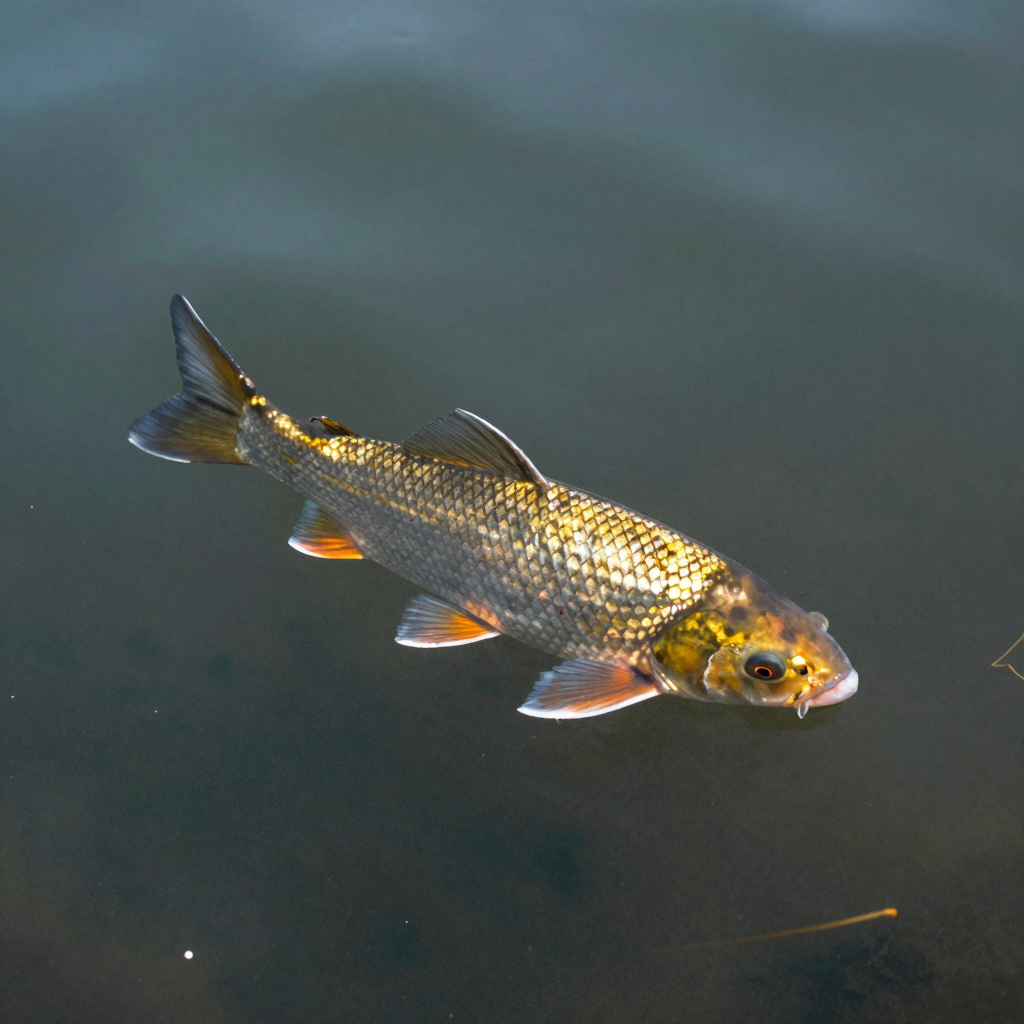
Mom Was Right: Why Omega-3 Is Your Brain’s Best Friend
What Are Omega-3 Fatty Acids? Omega-3 fatty acids are essential polyunsaturated fats that your body cannot produce on its own—you must obtain them through diet or supplementation. These vital nutrients form the structural foundation of your brain cells, regulate inflammation throughout your body, and influence everything from cardiovascular health to mood regulation (Calder, 2017). There
-

L-Tyrosine: Benefits, Dosage, and Side Effects
What Is L-Tyrosine? L-tyrosine is a non-essential amino acid that your body uses to produce critical neurotransmitters including dopamine, norepinephrine, and epinephrine. These brain chemicals regulate mood, motivation, focus, and your body’s stress response (Fernstrom & Fernstrom, 2007). While your body can synthesize tyrosine from another amino acid called phenylalanine, research suggests that supplementation may