
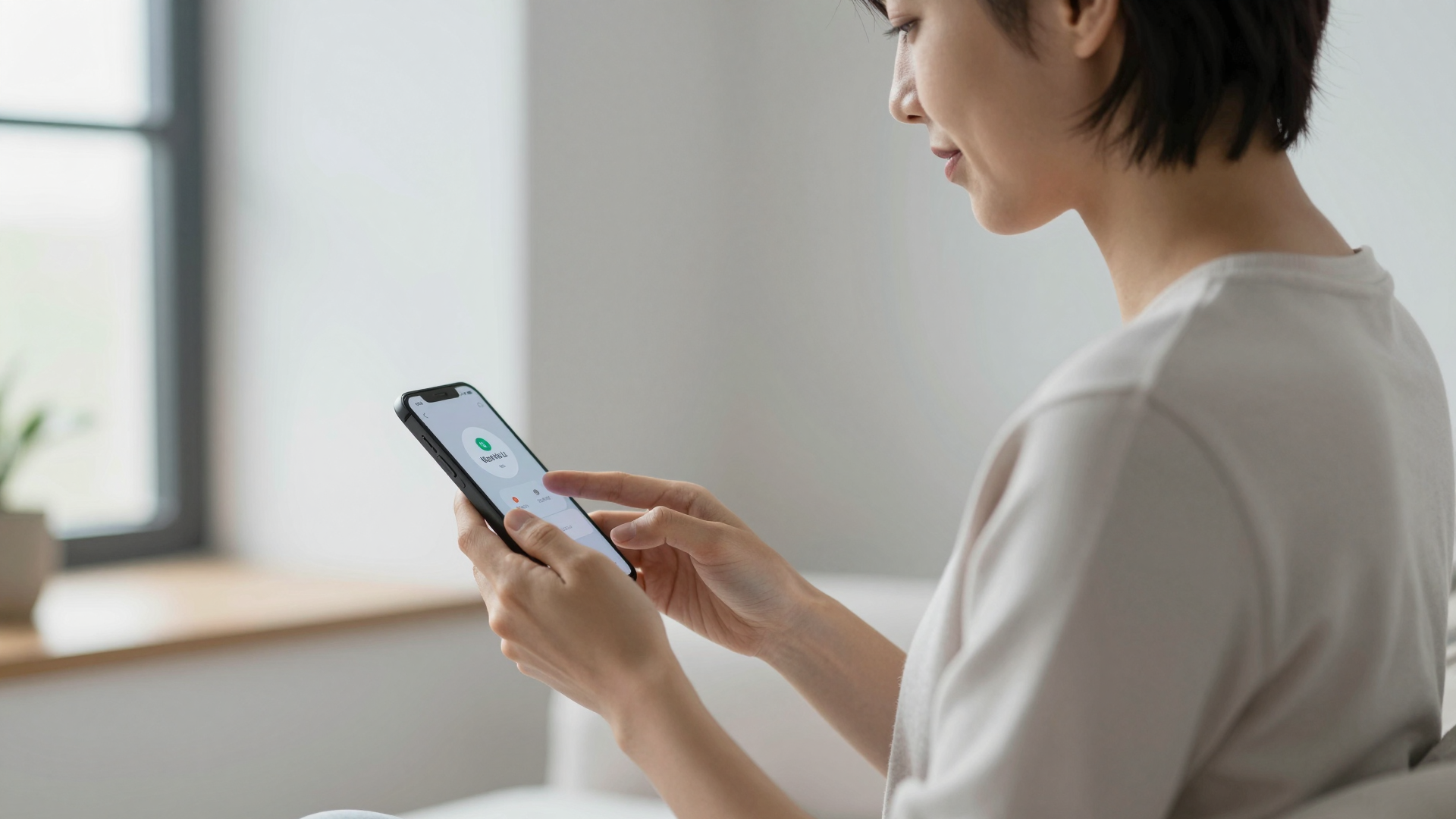
If your nights end with “just one more scroll,” you’re not alone—and it’s not just a willpower issue. Evening smartphone use is linked with later bedtimes and poorer sleep quality, partly because bright, blue-enriched light delays melatonin and because highly rewarding content keeps the brain in a state of cognitive and emotional arousal (Chang et al., 2015; Exelmans & Van den Bulck, 2016). A simple display tweak—switching your phone to grayscale after sunset—can reduce the visual “reward” that fuels compulsive checking and help your brain downshift toward restorative sleep (Wilmer et al., 2017).
Contents
Contents
Why color screens keep you scrolling at night
Two evidence-backed mechanisms make evening phone use especially “sticky” for the brain:
1) Light biology: blue-enriched screens can delay sleep physiology
Light exposure in the evening—particularly short-wavelength (“blue”) light common in LED screens—can suppress melatonin and shift circadian timing, which makes it harder to feel sleepy at a reasonable hour (Chang et al., 2015). Controlled laboratory work has shown that e-readers emitting blue-enriched light before bed can reduce evening sleepiness and delay circadian phase compared with reading printed material (Chang et al., 2015).
2) Reward + arousal: engaging content increases cognitive and emotional activation
Problematic or compulsive smartphone use is associated with poorer mental health outcomes (including higher depressive symptoms) and with self-regulation difficulties—factors that can intensify nighttime checking loops (Elhai et al., 2017; Twenge et al., 2018). Nighttime social media or phone use is also associated with shorter and poorer-quality sleep, consistent with the idea that stimulating content increases arousal and delays disengagement (Exelmans & Van den Bulck, 2016). From a neurocognitive standpoint, frequent smartphone checking is linked to reduced sustained attention and increased distractibility in daily life, which can make “stopping” feel harder once you start (Wilmer et al., 2017).
Where grayscale fits
Grayscale doesn’t remove rewarding content, but it reduces one powerful driver: vivid color cues that amplify salience and attentional capture. Because attentional bias and reward sensitivity are key ingredients in compulsive digital behavior, reducing sensory “pop” is a practical behavioral design move that can support better self-control at night (Wilmer et al., 2017; Elhai et al., 2017). Grayscale also pairs well with sleep hygiene recommendations to reduce stimulating screen exposure near bedtime (Irish et al., 2015).
Grayscale After Sunset: the 3-step setup
This is designed to reduce dopamine-driven scrolling cues (reward salience) and protect sleep timing (circadian and arousal mechanisms) by changing the environment, not relying on willpower (Chang et al., 2015; Wilmer et al., 2017).
- Step 1: Schedule grayscale for a consistent “digital sunset.”
Set it to start 1–2 hours before your target bedtime to align with evidence-based sleep hygiene guidance that recommends reducing stimulating screen exposure in the pre-sleep window (Irish et al., 2015). Consistency matters because circadian rhythms respond to regular timing cues (Chang et al., 2015).
iPhone: Settings → Accessibility → Display & Text Size → Color Filters → Grayscale (then use Accessibility Shortcut or Shortcuts automation for sunset).
Android: Settings → Accessibility → Color & motion (or Visibility enhancements) → Color correction → Grayscale (many devices also allow Bedtime Mode schedules). - Step 2: Add “light hygiene” to reduce melatonin suppression.
Turn on Night Shift / Night Light and reduce brightness after sunset. Short-wavelength light is especially potent for melatonin suppression and circadian delay, so lowering intensity and shifting color temperature can further reduce biological alerting signals (Chang et al., 2015). - Step 3: Use one friction tool to break the autopilot loop.
Pick one: (a) move your most-scroll apps off the home screen, (b) enable app limits for social media, or (c) use Focus/Do Not Disturb for evening hours. Behavioral friction supports self-regulation by reducing cue-driven checking, which is relevant given links between problematic smartphone use and self-control/mental health burden (Elhai et al., 2017; Wilmer et al., 2017).
How to tell if it’s working (simple 7-day check)
- Sleep latency: Are you falling asleep faster after grayscale starts? Shorter sleep latency is consistent with reduced pre-sleep arousal and better sleep hygiene adherence (Irish et al., 2015).
- Bedtime drift: Are you starting sleep closer to your intended time? Evening light and stimulating media are associated with later bedtimes (Chang et al., 2015; Exelmans & Van den Bulck, 2016).
- Next-day mood/energy: Poor sleep is linked with worse affect and mental health functioning, so improvements often show up as better daytime mood stability and focus (Baglioni et al., 2011).
If you have insomnia or anxiety
Consider pairing grayscale with a structured, evidence-based approach like cognitive behavioral therapy for insomnia (CBT-I), which is effective for improving sleep and is recommended as a first-line treatment for chronic insomnia (Trauer et al., 2015). Better sleep can also reduce vulnerability to anxiety and depressive symptoms over time (Baglioni et al., 2011).
Conclusion
Grayscale after sunset is a small digital-environment change with outsized mental wellness upside: it can reduce attention-grabbing reward cues that fuel compulsive scrolling and support healthier sleep timing by complementing light and stimulation reduction in the pre-bed window (Chang et al., 2015; Wilmer et al., 2017; Irish et al., 2015). Run it for seven nights, track sleep latency and bedtime consistency, and keep the setup if you notice better sleep—and a calmer brain at night.
References
- Baglioni, C., Battagliese, G., Feige, B., Spiegelhalder, K., Nissen, C., Voderholzer, U., Lombardo, C., & Riemann, D. (2011). Insomnia as a predictor of depression: A meta-analytic evaluation of longitudinal epidemiological studies. Journal of Affective Disorders, 135(1–3), 10–19. https://doi.org/10.1016/j.jad.2011.01.011
- Chang, A.-M., Aeschbach, D., Duffy, J. F., & Czeisler, C. A. (2015). Evening use of light-emitting eReaders negatively affects sleep, circadian timing, and next-morning alertness. Proceedings of the National Academy of Sciences, 112(4), 1232–1237. https://doi.org/10.1073/pnas.1418490112
- Elhai, J. D., Dvorak, R. D., Levine, J. C., & Hall, B. J. (2017). Problematic smartphone use: A conceptual overview and systematic review of relations with anxiety and depression psychopathology. Journal of Affective Disorders, 207, 251–259. https://doi.org/10.1016/j.jad.2016.08.030
- Exelmans, L., & Van den Bulck, J. (2016). Bedtime mobile phone use and sleep in adults. Social Science & Medicine, 148, 93–101. https://doi.org/10.1016/j.socscimed.2015.11.037
- Irish, L. A., Kline, C. E., Gunn, H. E., Buysse, D. J., & Hall, M. H. (2015). The role of sleep hygiene in promoting public health: A review of empirical evidence. Sleep Medicine Reviews, 22, 23–36. https://doi.org/10.1016/j.smrv.2014.10.001
- Trauer, J. M., Qian, M. Y., Doyle, J. S., Rajaratnam, S. M. W., & Cunnington, D. (2015). Cognitive behavioral therapy for chronic insomnia: A systematic review and meta-analysis. Annals of Internal Medicine, 163(3), 191–204. https://doi.org/10.7326/M14-2841
- Twenge, J. M., Joiner, T. E., Rogers, M. L., & Martin, G. N. (2018). Increases in depressive symptoms, suicide-related outcomes, and suicide rates among U.S. adolescents after 2010 and links to increased new media screen time. Clinical Psychological Science, 6(1), 3–17. https://doi.org/10.1177/2167702617723376
- Wilmer, H. H., Sherman, L. E., & Chein, J. M. (2017). Smartphones and cognition: A review of research exploring the links between mobile technology habits and cognitive functioning. Frontiers in Psychology, 8, 605. https://doi.org/10.3389/fpsyg.2017.00605
Read more at https://strongerminded.com